Tipping in Vietnam can be a bit confusing for first-time visitors. Unlike in Western countries where tipping is often expected, it has not traditionally been part of Vietnamese culture. However, as tourism has grown—especially with visitors from Europe, North America, and Australia—tipping is becoming more common and appreciated across the country.
So, should you tip in Vietnam? How much is appropriate? And who should you tip? This guide will help you navigate tipping etiquette with confidence while traveling in Vietnam.
The answer is simple: tipping is not mandatory, but it is appreciated. Vietnamese people are known for their hospitality, and good service is often provided regardless of whether a tip is expected. However, many workers in the tourism and service industries earn modest incomes, so tips can make a meaningful difference.
That said, there is no pressure. If you are not satisfied with the service, you are absolutely not obligated to tip. On the other hand, if someone goes above and beyond to make your experience better, leaving a small gratuity is a thoughtful way to say thank you.
Tour guides play a vital role in shaping your travel experience. They are often with you throughout the day—explaining cultural insights, organizing activities, and even helping solve unexpected issues.
Because of their level of involvement, tour guides are usually the most tipped service providers in Vietnam.
A good guide can transform your trip from ordinary to unforgettable, so tipping them is highly encouraged when you’re satisfied.
If you hire a private driver for a full day, it is customary to leave a tip as a sign of appreciation for their time and safe driving.
For short taxi rides, tipping is not required. However, many travelers simply round up the fare.
👉 Example: If your fare is 55,000 VND, you can pay 60,000 VND and let the driver keep the change. It’s a small gesture, but it’s always appreciated.
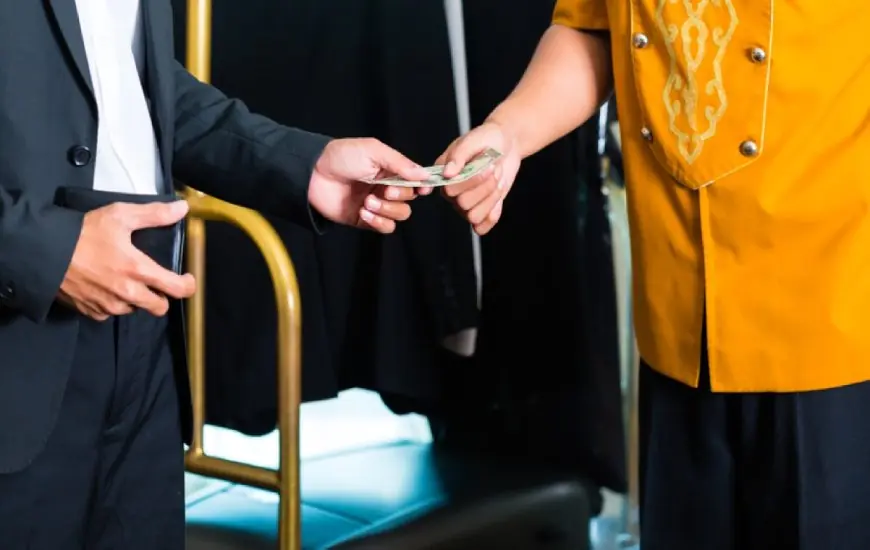
Bellmen are often the first people you meet at a hotel and the last to assist you when you leave. They help carry your luggage, guide you to your room, and ensure a smooth arrival and departure.
Though not mandatory, tipping here is a nice way to acknowledge their assistance.
Housekeeping is one of the most overlooked roles in the hospitality industry, yet they contribute significantly to your comfort. While tipping is not required, it is a kind gesture if you’re happy with the cleanliness and service.
👉 Tip: Leave the money in a visible place like the bedside table so it’s clear that it’s intended as a tip.
In Vietnam, most restaurants do not include a service charge—only a 10% VAT tax. This means tipping is optional.
In upscale restaurants or 5-star hotels, a 5–15% service charge is often included. However, only a portion of this goes to staff. If you receive excellent service, you can still leave a small additional tip directly for your server.

Tipping etiquette for spa services depends on the type of establishment.
👉 Tip: Hand the tip directly to your therapist to ensure they receive it personally.
Although some places accept US dollars, it is highly recommended to tip in Vietnamese Dong (VND).
Here’s why:
👉 Pro tip: Carry small denominations (20,000 – 100,000 VND) to make tipping easier and more appropriate.

Tipping in Vietnam is not just about money—it’s also about respect and cultural awareness. Here are a few etiquette tips to keep in mind:
Tipping in Vietnam is flexible, simple, and based entirely on your experience. There are no strict rules or expectations—only opportunities to show gratitude when you feel it’s deserved.
As you travel through Vietnam, you’ll quickly discover the warmth, kindness, and dedication of the people working in tourism and hospitality. A small tip, given thoughtfully, can brighten someone’s day and leave a positive impact.
Ultimately, tipping is not about obligation—it’s about connection. And in a country as welcoming as Vietnam, those small gestures can make your journey even more meaningful.

Thank you for submitting your review! Your review will help us further improve service quality.














PRODUCT REVIEWS