Natural wonders appear everywhere you turn in Vietnam, a country blessed with breathtaking landscapes and timeless beauty. Hop aboard the iconic Reunification Express, Vietnam’s legendary north-to-south railway linking Hanoi and Ho Chi Minh City (HCMC), and you’ll be treated to a cinematic journey through endless stretches of emerald rice paddies, sun-drenched coastlines, and forested highlands.
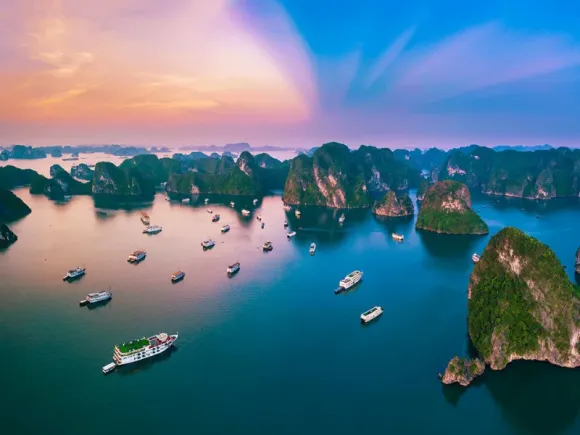
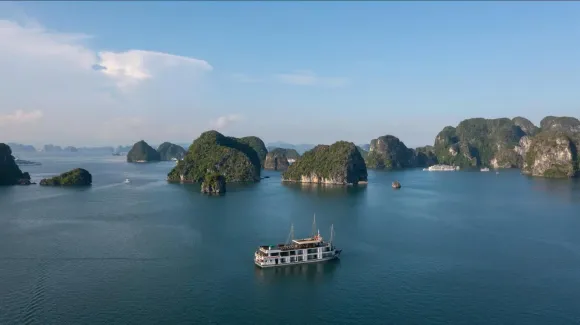
Along the way, the diversity of Vietnam’s natural wonders unfolds in every direction. Cruise through the spellbinding karst islands of Halong Bay, Lan Ha Bay, and Bai Tu Long Bay, where limestone pillars rise dramatically from jade-green waters — a UNESCO World Heritage landscape that feels otherworldly from the deck of a junk boat or the seat of a kayak.
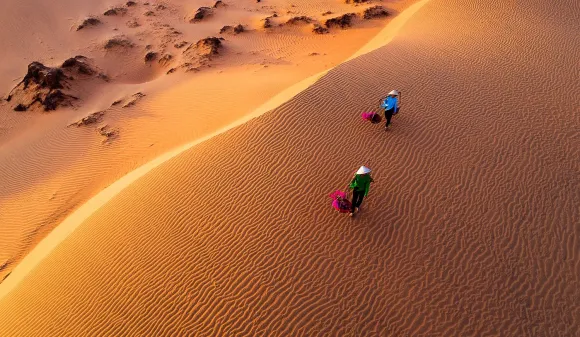
Further south, experience the surreal beauty of Mui Ne’s sand dunes, a desert-like paradise that glows golden at sunrise and sunset — best admired from the basket of a hot-air balloon drifting over the Sahara-esque landscape. In the remote northern mountains, near Ha Giang and Cao Bang, Vietnam’s rugged karst peaks and winding passes reveal a different kind of natural majesty, where misty valleys and waterfalls create scenes straight out of a painting.
Whether you’re a nature lover, adventure seeker, or photographer chasing Vietnam’s most stunning views, this country is an endless canvas of natural beauty. To help inspire your next Vietnam travel itinerary, here are our favorite natural wonders of Vietnam — places that will make you fall in love with its wild side.
Best for coastal views
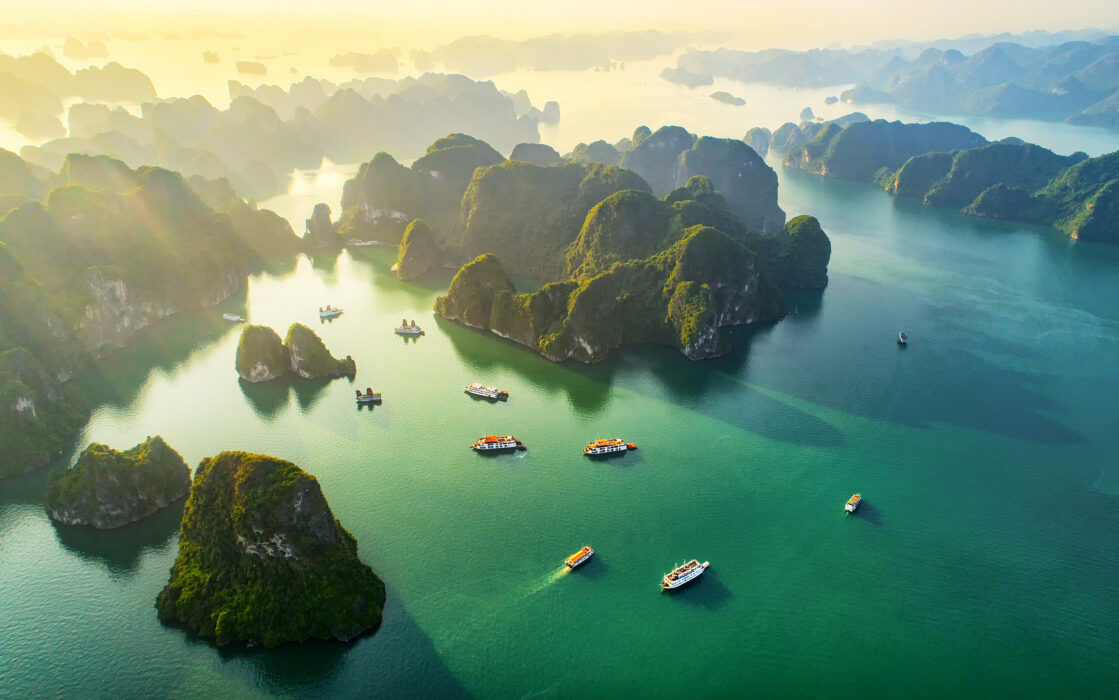
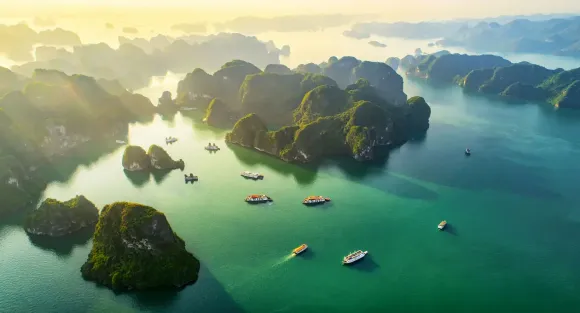
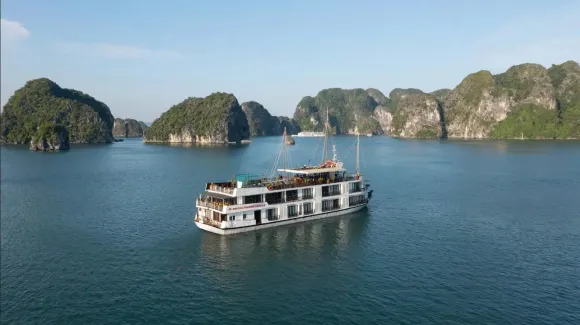
With its breathtaking blend of emerald waters, limestone cliffs, and over 2,000 jungle-covered islands, Halong Bay is easily one of Vietnam’s most famous natural wonders and a must-visit for travelers worldwide. This UNESCO World Heritage Site in Quang Ninh Province is the perfect fusion of mystery and beauty, where nature seems to have sculpted an entire seascape of dreams.
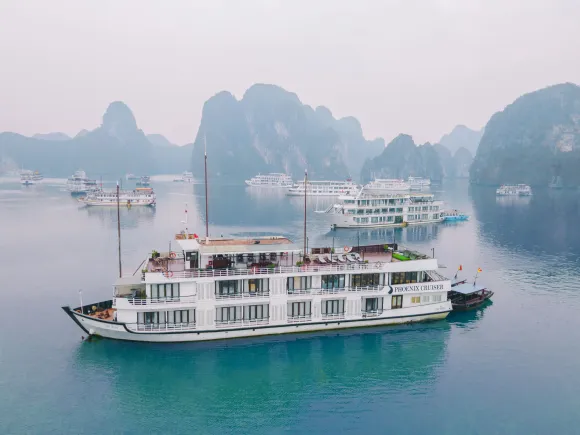
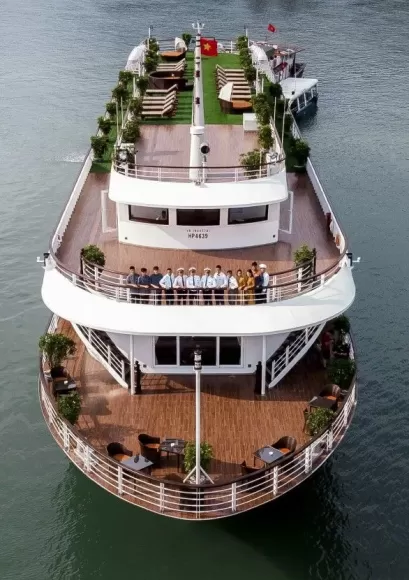
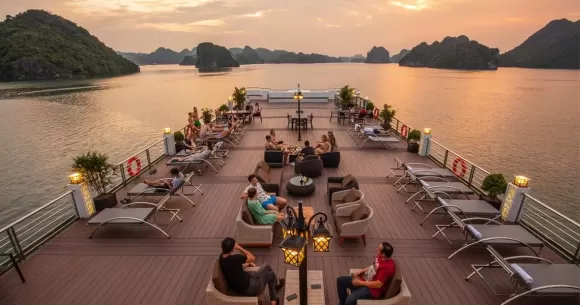
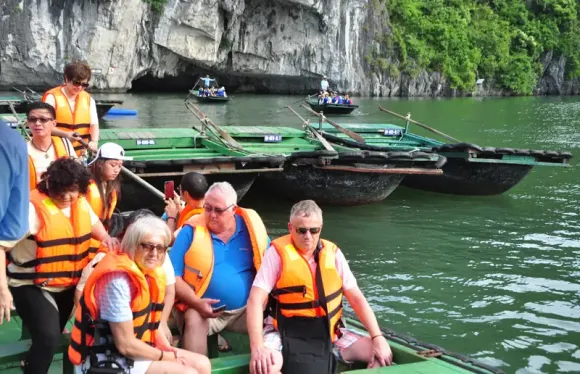
The best way to truly experience Halong Bay, Vietnam, is aboard an overnight cruise. Drifting between misty limestone pillars as the sun sets, you’ll feel the serenity that makes this bay so captivating. Early risers can watch a golden sunrise over the water, while adventure seekers can kayak through hidden grottoes and tranquil lagoons, discovering the bay’s secret corners away from the crowds.
Travel tip: Most visitors take a one-night cruise, but to see more of the islands and enjoy a slower pace, consider a 2- or 3-night itinerary. This gives you time to explore beaches, visit floating villages, and try activities like swimming, caving, and hiking.
Detour: If you prefer fewer tourists but equally spectacular scenery, head south to Lan Ha Bay — Halong’s quieter sister. It offers the same jaw-dropping limestone karsts and turquoise waters, but with a more peaceful, local vibe.
Best for underground adventures
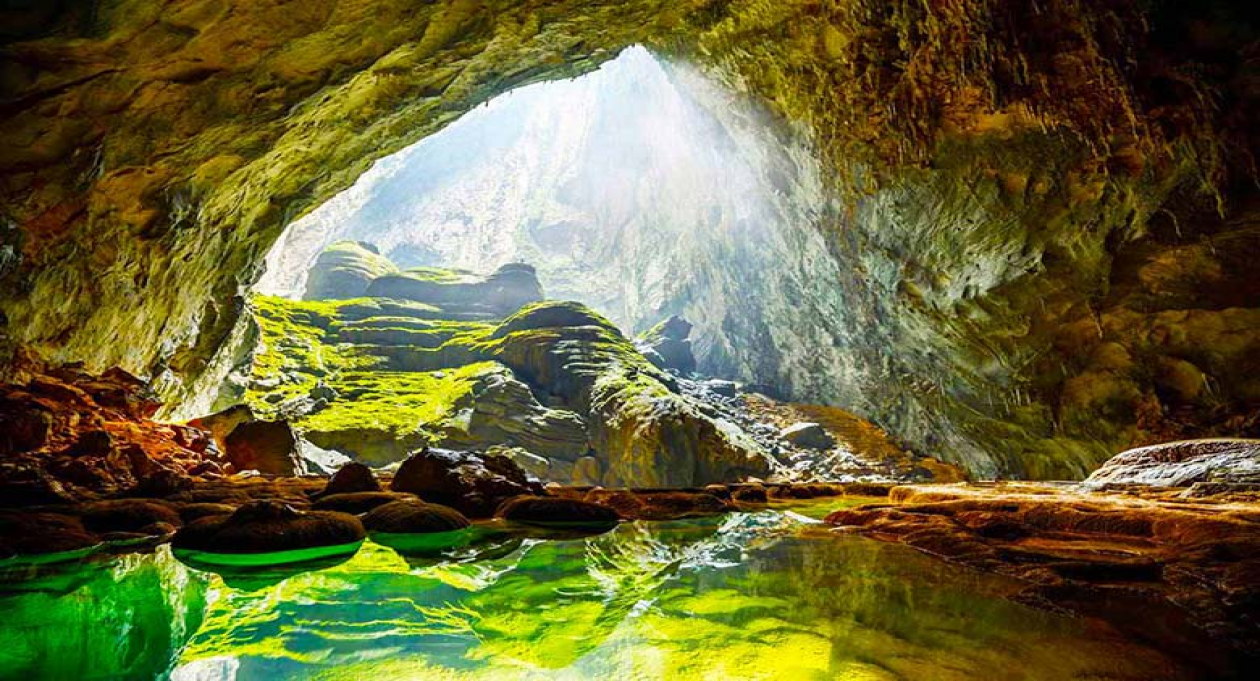
Nestled in Quang Binh Province, Phong Nha–Ke Bang National Park is a UNESCO World Heritage Site and one of Vietnam’s greatest natural wonders. With its rugged limestone mountains, dense rainforest canopy, and rivers carving deep gorges through the karst landscape, it’s a paradise for nature lovers and adventure seekers alike.
Beneath the surface lies an entire otherworld of vast caverns and underground rivers — making Phong Nha–Ke Bang one of the best cave systems in the world. While the legendary Hang Son Doong Cave — the planet’s largest — often steals the spotlight, the park is filled with equally fascinating and more accessible caves waiting to be explored.
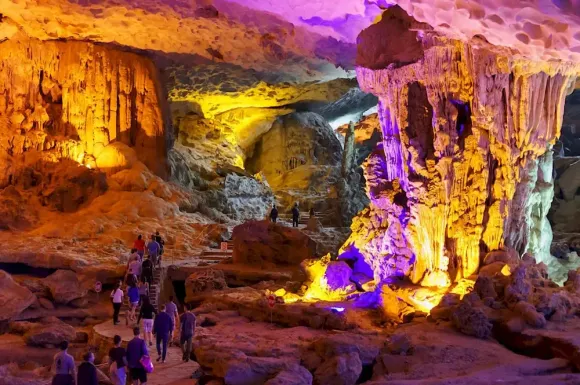
Among the must-visits are Paradise Cave (Thien Duong Cave), an awe-inspiring labyrinth adorned with massive stalactites and stalagmites, and Dark Cave (Hang Toi), where you can zipline across a river, swim in turquoise waters, and even take a natural mud bath inside. Each offers a unique way to experience Vietnam’s underground magic.
For those who prefer a gentler experience, Phong Nha Cave is perfect for a scenic boat trip that glides along an underground river illuminated by soft, natural light — an experience that feels both peaceful and surreal.
Planning Tip: The easiest way to explore Phong Nha–Ke Bang National Park is by joining organized tours from Son Trach town, where most accommodations and tour operators are based. Keep in mind that some caves close during the wet season (mid-September to early December) due to rising water levels, so plan your visit accordingly.
Best for journeys to another world
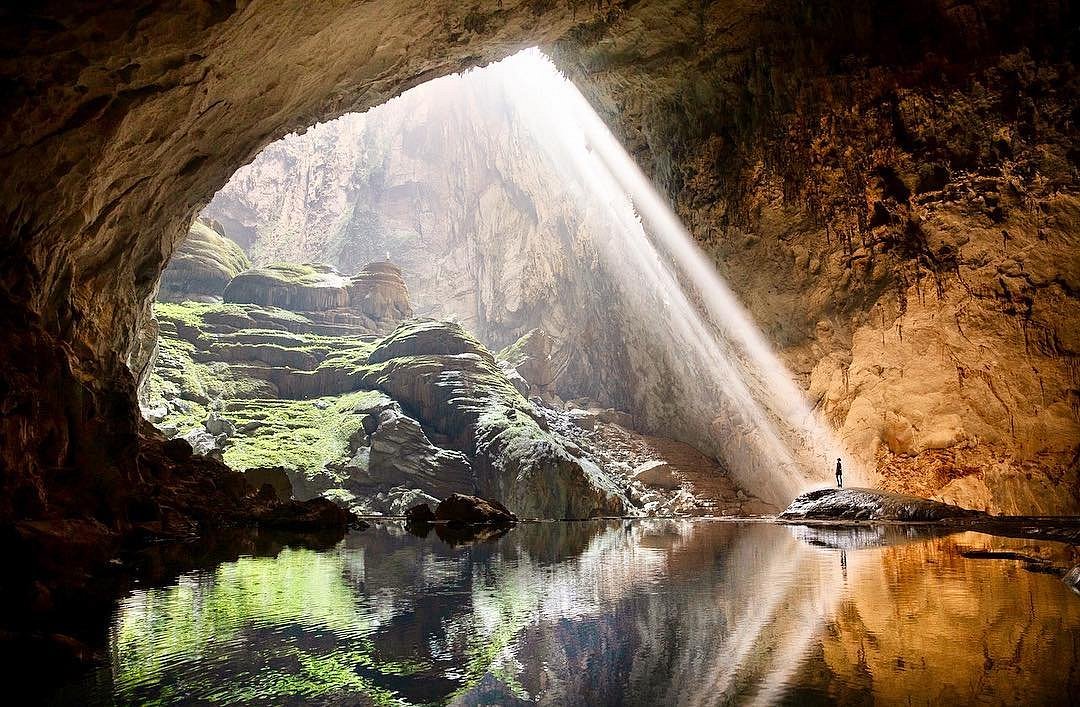
Deep within the lush jungles of Phong Nha–Ke Bang National Park lies Hang Son Doong Cave, the world’s largest cave and one of the most breathtaking natural wonders on Earth. Discovered only a few decades ago, this subterranean giant remains one of the most exclusive — and awe-inspiring — destinations in Southeast Asia.
Locally known as the “Mountain River Cave,” Hang Son Doong was first found by Ho Khanh, a local hunter, in the early 1990s as he sought refuge during a storm near the Vietnam–Laos border. It wasn’t until 2009, when he guided a team of British explorers back to the site, that the true scale of this underground masterpiece was revealed.
Stretching over 5 kilometers (3.1 miles) long, with sections reaching 200 meters (656 feet) in height and 150 meters (492 feet) in width, Son Doong Cave could easily house an entire New York City block — skyscrapers included. Inside, you’ll find a landscape unlike anything else on the planet: vast caverns illuminated by natural skylights, underground rivers, ancient stalagmites, and even a self-contained rainforest ecosystem.
A Son Doong expedition is not for the faint of heart. It involves multiple days of jungle trekking, river crossings, and camping inside the massive caverns. But for those lucky enough to join, it’s truly the adventure of a lifetime — a rare chance to walk through a world untouched by time.
Planning Tip: All tours to Hang Son Doong Cave are strictly controlled and must be booked exclusively through Oxalis Adventure Tours, the only operator licensed to run expeditions. Due to high demand and environmental protection policies, spots are limited and can sell out up to two years in advance. Prices are high, but the experience is absolutely unparalleled.
Best for mountain views and tumbling rice terraces
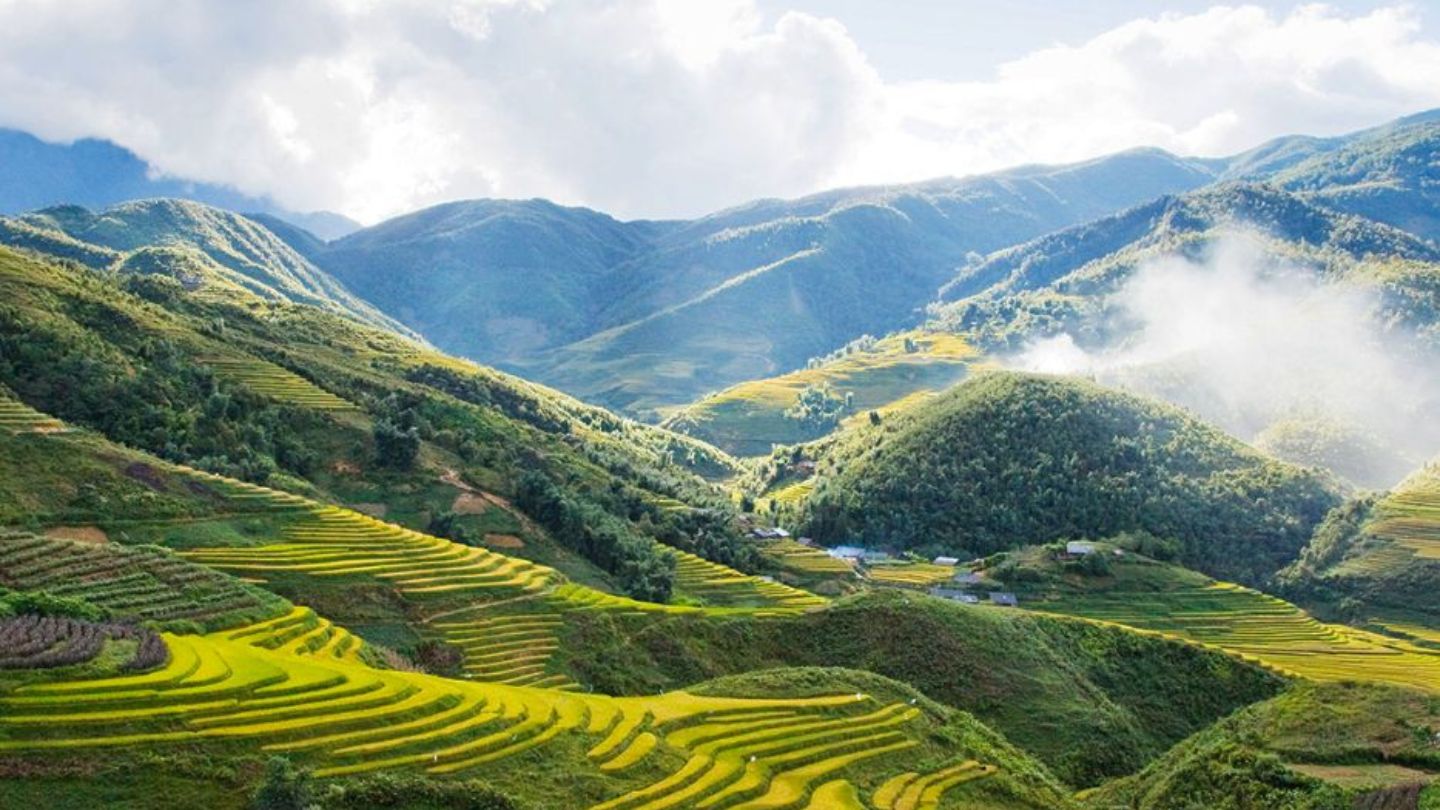
Stretching dramatically across the northwestern frontier of Vietnam, the Tonkinese Alps (also known as the Hoàng Liên Son Mountains) are a breathtaking region of towering peaks, misty valleys, and cascading rice terraces. This rugged mountain range forms part of the Hoang Lien National Park and represents one of the most captivating landscapes in all of Northern Vietnam.
At the heart of this highland paradise stands Mount Fansipan, the “Roof of Indochina,” rising 3,147 meters (10,325 ft) above sea level — the tallest peak in Vietnam and mainland Southeast Asia. Adventurous travelers can conquer Fansipan on a challenging one-day trek or take the modern Fansipan Cable Car from Sapa Town, which glides above terraced fields and clouds to the summit in just 15 minutes, offering panoramic views that stretch across the border into China.
But the Tonkinese Alps offer more than majestic mountains. From steep ridgelines, layers of vibrant green rice terraces descend gracefully into river valleys dotted with small villages. These valleys are home to Vietnam’s diverse ethnic minority groups, including the Hmong, Red Dzao, and Giay people. Their traditional stilt houses, colorful markets, and intricate handwoven textiles give travelers a glimpse into the cultural richness that defines the region.
Whether you’re trekking through Muong Hoa Valley, photographing the terraced hills of Y Ty or Ta Van, or relaxing at an eco-lodge overlooking the clouds, every turn in the Tonkinese Alps reveals a postcard-perfect scene.
Planning Tip: The best time to visit Sapa and the Tonkinese Alps is from September to November, when the rice terraces glow golden before harvest, or from March to May, when the hills burst with wildflowers. The area can get misty and cold in winter, so pack accordingly.
Best for observing the power of nature
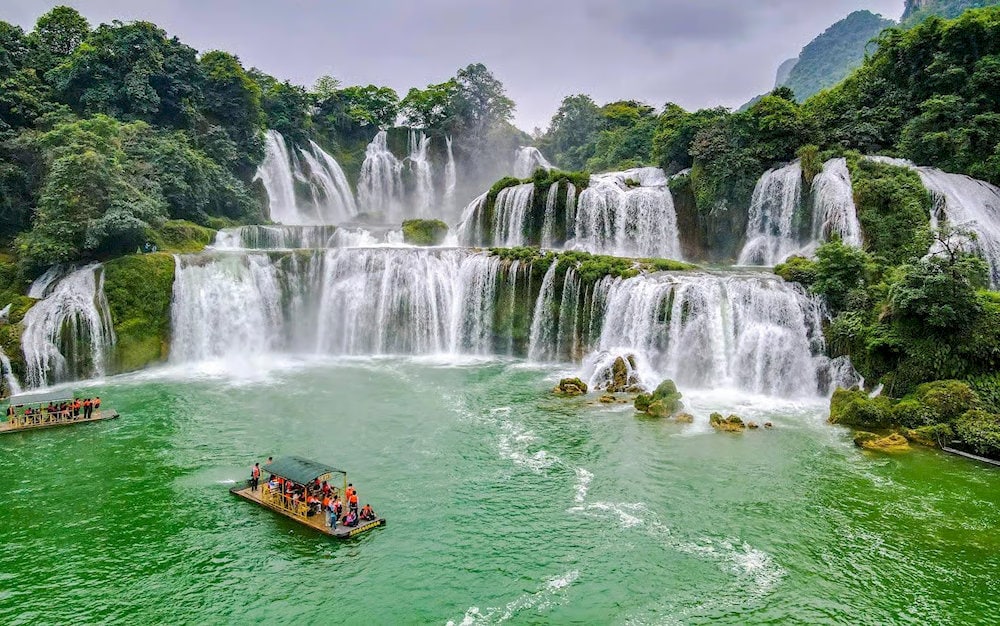
Hidden deep in the northern mountains of Cao Bang Province, Ban Gioc Waterfall is one of the most awe-inspiring natural wonders in Vietnam. Straddling the border between Vietnam and China, this magnificent cascade is powered by the Quay Son River, which winds through lush valleys and emerald rice fields before plunging dramatically over tiered limestone cliffs.
Ban Gioc is at its most powerful during the wet season (May to September), when water thunders down the rocky steps in an impressive, mist-filled spectacle. However, the best time to visit is during September and October, when surrounding rice paddies glow golden and the weather is comfortably cool — creating a breathtaking landscape that feels almost otherworldly.
To experience the falls up close, hop on a bamboo raft operated by local boatmen who’ll guide you gently to the base of the cascade. As you drift forward, you’ll feel the cooling spray on your face and hear the roar of water echoing through the valley — a moment of pure connection with nature.
Planning Tip: Ban Gioc Waterfall spans two countries — Vietnam and China. On the Vietnamese side, boats typically have blue canopies, while those on the Chinese side are green. For the best photo lighting, plan your visit around midday, when sunlight hits the waterfall directly and the dam upstream releases more water, amplifying its flow.
Best for shifting sands
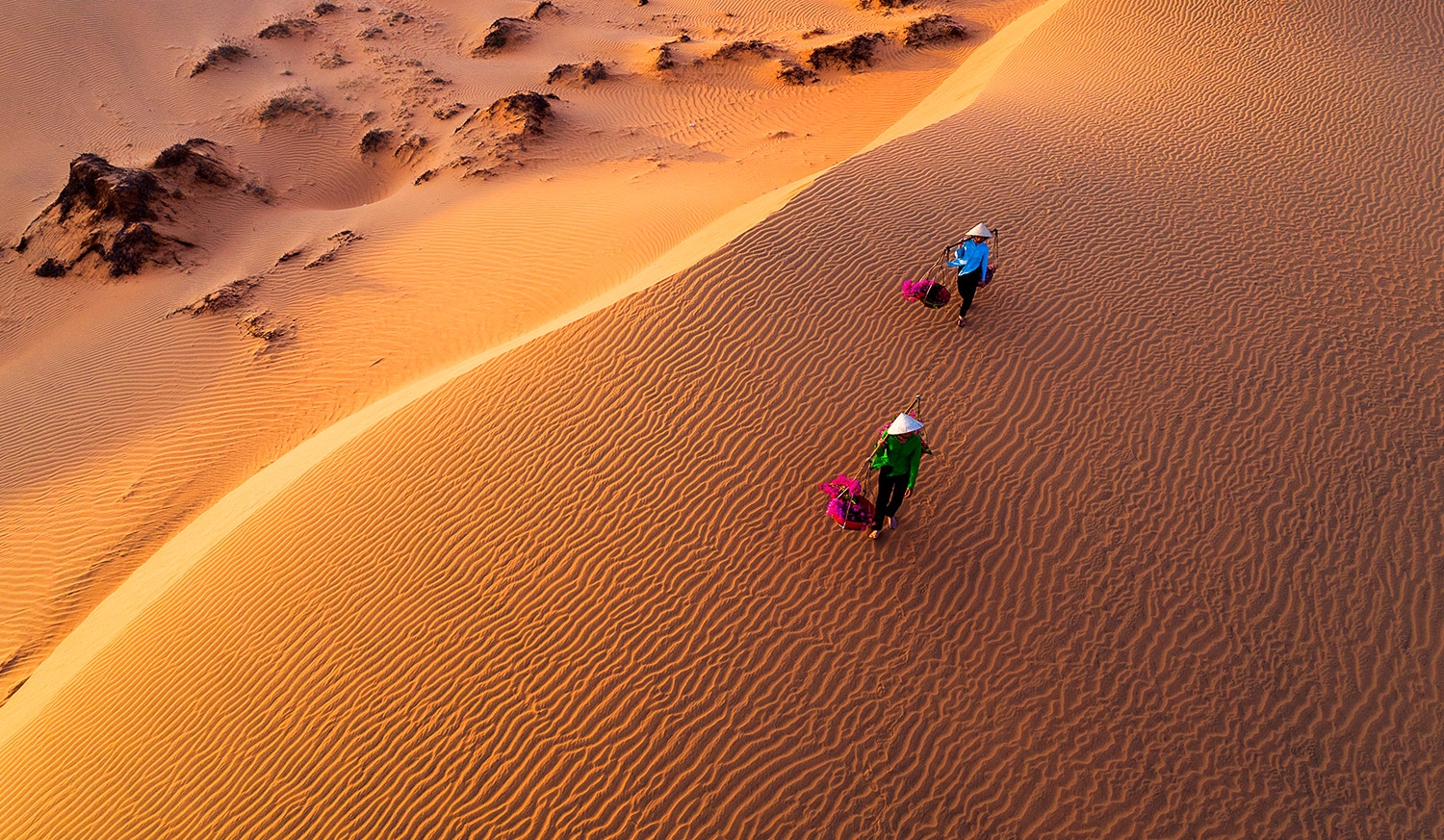
Stretching along the southeastern coast of Vietnam, the Mui Ne Sand Dunes are one of the country’s most unique natural wonders. Shaped by oceanic winds over thousands of years, these vast dunes create a striking contrast against the tropical greenery and turquoise waters of Binh Thuan Province.
There are two main dune areas to explore: the Red Sand Dunes (Đồi Hồng), located just north of Mui Ne Village, and the White Sand Dunes (Đồi Cát Trắng), about 24km (15 miles) northeast. The red dunes are smaller but conveniently close to town — perfect for a quick stop at sunset when the sky turns fiery orange. The white dunes, on the other hand, are larger, more dramatic, and often compared to the Sahara Desert, with rippling golden peaks that stretch endlessly toward the horizon.
Visitors can explore the area by quad bike, dune buggy, or even plastic sand sled, offered by local vendors eager to add a little thrill to your experience. While the atmosphere is lively and sometimes bustling, the view of the desert meeting the sea is truly unforgettable.
Planning Tip: For the ultimate Mui Ne experience, book a sunrise or sunset tour — the changing light paints the sands in shades of gold and crimson. For a unique perspective, consider a hot air balloon ride over the dunes at dawn — one of the few places in Vietnam where you can float over a desert-like landscape kissed by the ocean breeze.

Thank you for submitting your review! Your review will help us further improve service quality.






, and you’ll be treated to a cinematic journey through endless stretches of emerald rice paddies, sun-drenched coastlines, and forested highlands.&)
PRODUCT REVIEWS